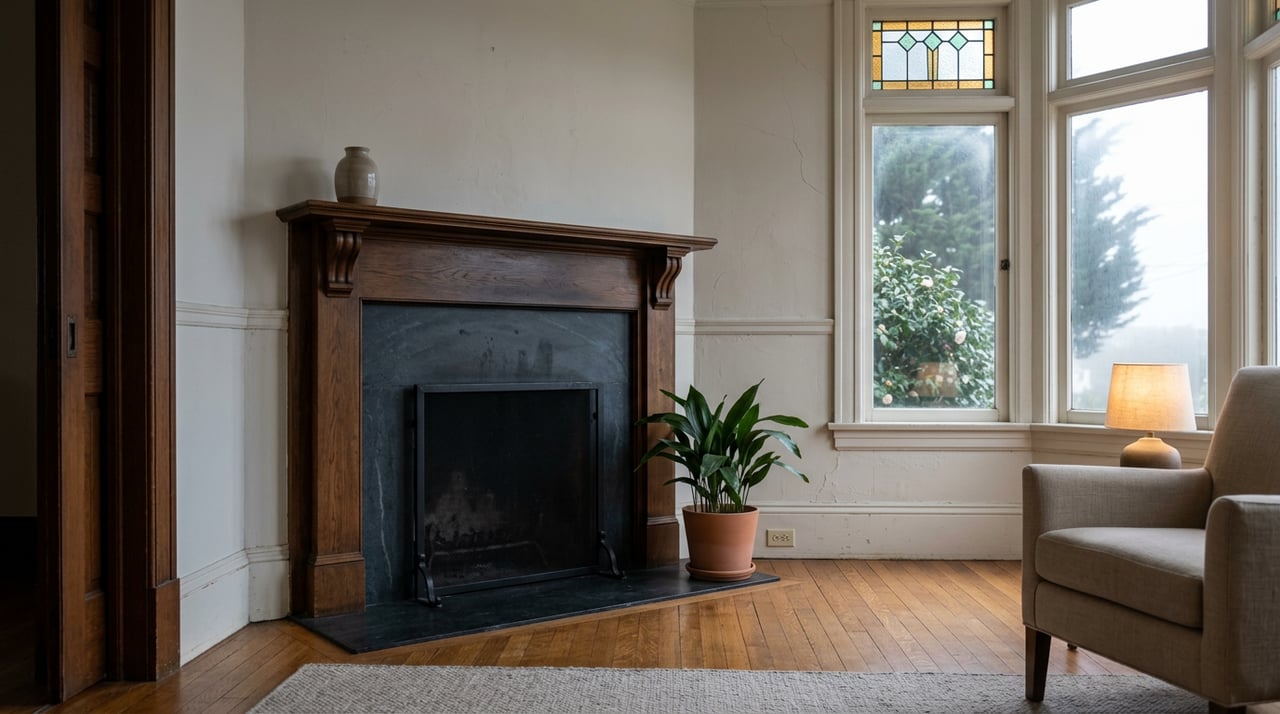
Is your Pacific Grove Victorian more than a house to you? It likely holds a century of craftsmanship, stories, and coastal light that no new build can copy. When you market that story with care and proof, you attract buyers who pay for authenticity, not just square footage. In this guide, you’ll learn how to document provenance, prepare the home with preservation in mind, build a narrative-driven listing, and launch it with confidence. Let’s dive in.
Why the story sells in Pacific Grove
Historic fabric buyers value
Pacific Grove is known for its 19th- and early-20th-century architecture, and the City maintains a robust Historic Resources Inventory and Historic Context Statement that document the area’s character homes. If you own a Victorian here, you’re selling into a market that recognizes and tracks historic fabric, which supports story-driven positioning. You can review the City’s historic context and survey approach in the Historic Resources Inventory and Historic Context Statement.
Market snapshot to frame expectations
As of January 2026, Pacific Grove’s median sale price was about 1.51 million dollars, with some months showing very low days on market. This supports a focused, premium strategy when your property’s condition, authenticity, and presentation align with what buyers want. Always date any pricing stat you share and refresh numbers before going live.
Confirm status and get disclosures right
Verify HRI or local landmark status
Before you use the word “historic” in marketing, confirm whether the home is listed on the City’s Historic Resources Inventory or otherwise designated. Local designation can trigger design-review steps for exterior changes and may affect how you position the property. Start with the City’s Historic Resources Inventory and Historic Context Statement and consult City staff if needed.
Understand the Mills Act
If your home has, or could qualify for, a Mills Act historic-property contract, that can influence long-term property tax expectations and perceived value. Disclose the contract status and any implications clearly. Review the City’s program materials and discuss with the County Assessor before marketing. You can reference the City’s council materials on the program here.
Assemble required California disclosures
Older homes require complete, precise disclosures. Typical items for 1–4 unit residential sales include the Real Estate Transfer Disclosure Statement (TDS) under Civil Code §1102 et seq., Natural Hazard Disclosure, and federal lead-based paint disclosures for homes built before 1978. Use California Association of REALTORS forms as your standard. You can review the TDS form language here.
Pull permits and address unpermitted work
Many Victorians have layers of changes over time. Pull the permit history and any recorded improvements so you can address gaps before buyers find them. The Monterey County Recorder and Assessor portals are your official sources for deeds and permits. Start your records search with the County here.
Check coastal-related hazards
As part of your Natural Hazard Disclosure package, confirm flood zones, potential tsunami or erosion risks, and fire-hazard designations. Coastal buyers expect clarity on these items early.
Research and document your home’s story
Build your primary source file
Gather the documents that make your narrative real:
- City HRI or DPR 523 forms and the Historic Context Statement for architectural classification and any historic notes. Start with the City’s HRI and Context Statement.
- Monterey County Recorder and Assessor entries for chain of title and recorded improvements. Use the County’s Recorder/Assessor portal.
- Sanborn fire-insurance maps and early plats to confirm the original footprint and streetscape context. These are referenced in the City’s HRI resources.
- Local historical society or museum files and newspaper archives for past owners, uses, or period photographs.
Capture character-defining features
List and photograph the elements buyers prize: turrets or towers, stained or leaded glass, original trim profiles, built-ins, mantels, newel posts, floorboards, and period hardware. Take high-resolution detail shots and write short captions that explain what makes each detail authentic or rare. When repairs are needed, follow the Secretary of the Interior’s Standards, which recommend repairing historic materials where feasible and matching design, color, and texture when replacement is unavoidable. Review the Standards here.
Write a short, sourced timeline
Create a one-page, bulleted timeline for buyers and your photographer/writer. Include construction year, builder or architect if known, notable owners or uses, and documented restorations with permit dates. Source every claim. This becomes the backbone of your listing narrative and media captions.
Prepare the house for market
Order a pre-listing inspection
For character homes, a seller-funded pre-listing inspection can prevent surprises that derail deals. When you know about structural, electrical, plumbing, or pest issues up front, you can fix or disclose on your terms and reduce post-offer renegotiation risk. See industry guidance on the benefits of pre-listing inspections here.
Use preservation-minded repairs
Protect the value of your home’s fabric by repairing instead of replacing when possible. If replacement is necessary, match the original design, color, and texture, and, where feasible, the material. Aligning with the Secretary of the Interior’s Standards maintains authenticity and appeals to preservation-minded buyers.
Stage for flow and detail
Staging helps buyers visualize how rooms live. For Victorians, keep millwork visible, select neutral furnishings that complement original wood tones, and avoid decor that hides period detail. Focus staging on key rooms like the living room, primary suite, and kitchen. Research shows staging improves buyer perception and can reduce time on market; review the findings from NAR’s staging report here.
Plan photos, floor plans, and 3D tours
Invest in a photographer experienced with period homes. Capture wide perspectives that explain layout and light, and close-ups that showcase craftsmanship. Include a measured floor plan and an immersive 3D tour so remote buyers can understand flow and scale. Label any virtual edits clearly.
Know the rules on aerials
If you plan drone footage to show setting, confirm FAA rules and local restrictions. Nearby state-park and protected shoreline areas often require permits or disallow drones. Review California State Parks guidance here and secure permits before filming.
Build a story-first listing package
Visuals that sell the provenance
Curate a tight set of assets that make the story unmistakable:
- Hero interior and twilight exterior photos to show massing and setting.
- Three to five close-up details with captions tied to your timeline and sources.
- A measured floor plan and a high-quality 3D tour.
- Aerial context only if permitted and safe.
On-page narrative structure
Lead your description with verifiable facts. In the first lines, name the architectural style, the construction year, and one signature feature. Follow with two or three sentences on documented restorations or upgrades. Then connect lifestyle to place: porch mornings in coastal light, short walks to downtown culture and the shoreline, and easy access to Monterey Peninsula amenities. Keep superlatives in check unless you can prove them.
Agent talking points for showings
Give your listing agents a small, factual cheat sheet:
- What we love: original features that define the home’s character and any professionally restored elements.
- What to expect: systems updates, insulation or window strategy, and any design-review considerations if the home is HRI-listed.
- Steps taken: pre-listing inspection, key repairs, and a copy of permits or reports available to buyers.
Pricing and negotiation strategy
Value fabric and function together
Buyers often pay a premium for authentic, well-maintained period fabric paired with thoughtful modern systems. Price against recent sales of similar-era homes and adjust for documented restorations, permitted additions, or unpermitted work. If your home is on the HRI or has a Mills Act contract, discuss how that may influence perceived value and tax profile with your advisor. The City’s Mills Act overview is available here.
Anticipate buyer diligence
Expect questions about foundation, electrical, plumbing, roofing, insulation, and window strategies. Prepare a digital binder with your pre-listing inspection, permit history, repair receipts, and a one-page provenance timeline. Clear documentation shortens decision cycles and strengthens your negotiating position.
A simple, four-week launch plan
- Week 1: Pull the property file, HRI/DPR form, and County records. Order the pre-listing inspection. Begin staging plan. Draft your provenance timeline and photography shot list.
- Week 2: Complete priority repairs aligned with preservation guidance. Stage key rooms. Schedule photography, floor plan measurement, and 3D capture.
- Week 3: Finalize copy with sourced captions. Build the full media package and disclosure packet. Share a discreet preview with highly qualified buyers and agents who focus on character homes.
- Week 4: Publish the listing with rich visuals, the floor plan, and the 3D tour. Host a targeted broker open, and follow up with press and email outreach to historic-home and architecture networks.
Common pitfalls to avoid
Overstating provenance
Do not claim “oldest,” “first,” or notable owners without proof. Misrepresentation can expose you to legal risk and rescission. Anchor public claims in primary sources and complete, accurate disclosures. Review California’s TDS requirements here.
Hiding unpermitted or hidden issues
Unpermitted work and undisclosed defects are frequent deal-breakers, especially in older homes. A pre-listing inspection and full disclosures reduce post-offer turbulence. See industry guidance on avoiding canceled contracts here.
Skipping preservation principles
Quick cosmetic fixes that remove or cover character details can harm value and alienate your ideal buyer. Follow the Secretary of the Interior’s Standards to guide cost-effective, value-preserving repairs.
Ready to turn your Pacific Grove Victorian into a premium, story-driven listing with careful documentation, preservation-minded prep, and best-in-class marketing? Let’s talk about a plan tailored to your home. Schedule a private consultation with Ryan Sherman Luxury Real Estate.
FAQs
What helps a Pacific Grove Victorian sell for more?
- Authentic, well-maintained period features, a documented provenance timeline, preservation-minded repairs, strategic staging, and rich visuals like floor plans and a 3D tour help justify a premium.
How do I confirm if my Pacific Grove home is historic?
- Start with the City’s Historic Resources Inventory and Historic Context Statement, then consult City staff for any designation or review requirements.
What disclosures are required for a Victorian in California?
- Typical items include the Transfer Disclosure Statement, Natural Hazard Disclosure, and federal lead-based paint disclosures for pre-1978 homes. See the TDS form language here.
How could the Mills Act affect my sale?
- A Mills Act contract can lower property taxes for qualified historic homes, which some buyers value. Disclose contract status and review the City’s program overview here with your advisor.
Are drones allowed near Asilomar and the shoreline?
- Drone use over nearby state-park or protected shoreline areas often requires permits or may be restricted. Check California State Parks guidance here before filming.
