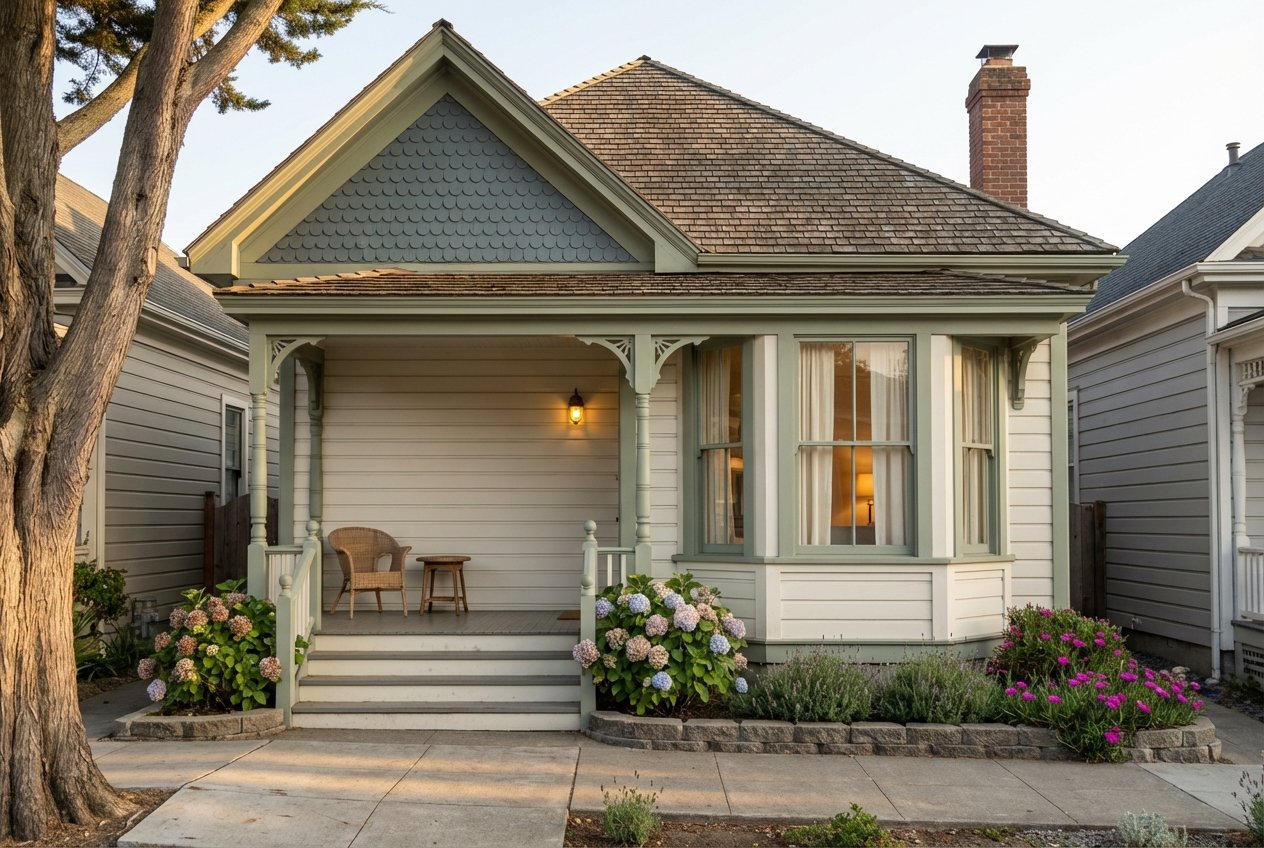
Victorian charm is easy to spot on the streets of Pacific Grove, from storybook porches to patterned shingles that glow at golden hour. If you’re drawn to these cottages and grand dames, you also want clarity on what ownership really means in a coastal, historic market. In this guide, you’ll learn how to recognize authentic period details, what inspections to prioritize, how local historic review works, and the smartest order for upgrades. Let’s dive in.
Why Pacific Grove’s Victorians stand out
Pacific Grove grew rapidly in the late 1800s as a Methodist retreat, then blossomed into a neighborhood of compact cottages and ornate residences built from pattern books and local redwood framing. The city’s historic resources chapter documents that legacy and explains why these homes feel so distinctive in scale and detail. You can explore that background and style overview in the city’s historic resources chapter hosted online.
The city also maintains a formal Historic Resources Inventory (HRI) that documents more than a thousand older properties. Before you assume there are no historic considerations, check the address against the HRI and review any staff reports or survey forms that exist for the home. The Heritage Society of Pacific Grove runs a separate, honorific plaque program you may see on facades around town. While those green plaques are beloved, they are different from the city’s HRI status and review process.
- Learn about documented historic resources on the city’s HRI page.
- See the Heritage Society’s plaque program for context on local recognition.
Hallmarks of Victorian architecture here
Exterior details you’ll notice
Local Victorian-era homes often feature wood siding or patterned shingles, decorative vergeboards and brackets, and porches with turned posts and gingerbread. Many have bay windows, and some larger examples include turrets or towers. Rooflines tend to be steep or complex, which creates that romantic silhouette you see from the street.
Interiors with character
Inside, you’ll often find plaster walls over lath, original wood floors, molded trim, and built-in cabinetry. Floor plans can be nonstandard by today’s expectations. These elements are the “character-defining” features worth preserving when you modernize systems or plan updates.
What to watch for during inspections
Buying a Victorian is equal parts heart and homework. A general home inspection is essential, and older homes often call for specialty inspections too.
Structure and seismic safety
Many cottages sit on raised foundations with short cripple walls that can be vulnerable in earthquakes. Ask for a foundation assessment and a seismic retrofit evaluation. California’s Earthquake Brace + Bolt program can provide grants, and typical Chapter A3 retrofits often range from about $3,000 to $7,000 depending on conditions. If the house was built before 1980 with a raised foundation, include seismic scope in due diligence.
- Review the Earthquake Brace + Bolt grant FAQs and typical retrofit scope.
Electrical, heating and mechanical
Original knob-and-tube or early cloth-insulated wiring may still exist in portions of some homes. Older fuse panels or undersized service can be a safety and insurance concern. Plan for a licensed electrician to evaluate panel capacity, grounding, and the extent of any prior rewiring. Many Victorians did not start life with central HVAC, so modern owners often use ductless heat pumps or carefully routed ducts. Preservation guidance emphasizes upgrading systems in ways that do not harm historic fabric.
- See why layered inspections are recommended for historic homes.
- Read preservation guidance on integrating new systems without losing character.
Plumbing and sewer
In older homes, galvanized supply lines and cast-iron or clay sewer laterals are common and can fail with age. A sewer camera inspection during your contingency period is a smart move. Pacific Grove and neighboring coastal communities have pursued infrastructure and sewer upgrades over time, so plan to verify the condition of the private lateral for the specific property you’re considering.
- Learn about local sewage infrastructure upgrades and why due diligence matters.
Moisture, pests and coastal exposure
Coastal air carries salt that can accelerate corrosion and wear. Look closely at paint, flashing, gutters, and drainage away from the foundation. Termites and other wood-destroying organisms are a common risk in older wooden buildings, so a current WDO report is standard in California transactions. Sea-level rise and shoreline management are active planning topics in Pacific Grove, which is an added reason to understand long-term coastal conditions if you are near the shoreline.
- See Pacific Grove’s sea-level rise planning case study for long-term context.
Lead paint and asbestos
Homes built before 1978 may contain lead-based paint. If you plan to disturb painted surfaces, use certified contractors and follow lead-safe work rules. Older insulation and some roofing materials may contain asbestos; test before demolition or roof work and follow accredited abatement procedures when needed.
- Get EPA guidance on protecting your family from lead in older homes.
Windows, roofing and the envelope
Original wood windows and distinctive roof forms are central to a Victorian’s character. The National Park Service advises repairing and weatherizing original wood windows when feasible rather than wholesale replacement. Ask about roof age, flashing, and any documented window work during your review.
- Read practical guidance on repairing historic windows and planning roof work.
Permits, historic review and timing
If a property is on the HRI or if your project changes character-defining features visible from the street, expect a layer of historic review. In Pacific Grove, the appointed Historic Resources Committee provides a local forum for review and recommendations. Projects in the coastal zone or formal landmarked properties may involve additional Planning Commission or coastal review steps. Early clarity saves time, so identify the home’s status up front and plan your design and permit timeline accordingly.
- Check whether the address appears in the city’s HRI and view available documentation.
- See the Historic Resources Committee page for scope and meeting info.
A smart renovation sequence
When inspections turn up issues, the order of operations matters. A common, preservation-minded sequence looks like this:
- Site drainage and roof repairs to stop water intrusion.
- Structural stabilization, foundation repairs, and seismic bracing.
- Electrical and fire-safety upgrades, including panel and grounding.
- Plumbing and sewer lateral repairs or replacement.
- Windows, doors, and envelope repairs, with repair-over-replace where feasible.
- Insulation, HVAC, and energy upgrades that respect historic fabric.
- Interior finishes and cosmetic work last, so you protect new surfaces.
This approach helps you avoid rework and preserves character while bringing systems to modern standards.
- Explore preservation briefs for step-by-step insights on roofs, windows, and energy work.
Financing, insurance and incentives
- Seismic retrofit grants. Programs like Earthquake Brace + Bolt can offset a portion of qualifying retrofit costs. Check eligibility by ZIP code and house type, and talk with contractors about current offerings.
- Mills Act status. California’s Mills Act is a city-by-city property tax incentive for qualified historic properties. Nearby cities have active programs, while Pacific Grove has not historically maintained one. Verify the latest status with the City and the County Assessor before you underwrite tax assumptions.
- Insurance. Older construction and coastal exposure can affect premiums and coverage requirements. Confirm early with your insurer and lender whether specific upgrades, like electrical or seismic work, are needed for coverage or loan approval.
How to buy with confidence: a checklist
Use this quick plan to keep your search focused and your due diligence thorough.
- Confirm HRI status. Search the city’s HRI and ask for any available survey forms, staff reports, or designation documents for the address.
- Request permit history. Ask the seller for building permits, structural reports, termite treatments, and any sewer work. If major work lacks permits, factor possible compliance costs into negotiations.
- Build layered inspections. Order a general home inspection and, based on age and findings, add structural engineer, pest/WDO, sewer camera, roof, licensed electrician, and lead/asbestos testing. For HRI or coastal-zone properties, consider a preservation consultant to review character-defining features.
- Prioritize safety and water management. Address drainage, roof, structural, and electrical safety before cosmetic work. This protects both the home and your budget.
- Plan the permit path. If exterior changes are visible from the street, expect HRC review and, if applicable, coastal review. Budget time for design refinement and approvals.
- Explore grants and programs. Ask about Earthquake Brace + Bolt and similar assistance early. Confirm insurance requirements that might tie to upgrades.
The takeaway
Victorian homes in Pacific Grove offer rare craftsmanship, scale, and seaside romance. With the right inspections, a thoughtful renovation plan, and an understanding of local historic processes, you can enjoy the charm while protecting your investment. If you want a buyer’s strategy that balances character, performance, and long-term value, we’re here to help you navigate each step with discretion and care.
Ready to talk through a specific address, permit path, or inspection plan? Connect with the team at Ryan Sherman Luxury Real Estate for a private consultation tailored to your goals on the Monterey Peninsula.
FAQs
What defines a Victorian home in Pacific Grove?
- Many local Victorians feature wood siding or patterned shingles, ornate trim, steep or complex roofs, and interiors with plaster walls, original floors, and built-ins documented in the city’s historic resources chapter.
Do I need special permits to renovate a historic Pacific Grove home?
- If the property is on the HRI or your exterior changes are visible from the street, expect Historic Resources Committee review, and coastal-zone projects may also require additional planning steps.
How much does a basic seismic retrofit cost for older cottages?
- Typical Chapter A3 retrofits for raised-foundation homes often range from about $3,000 to $7,000, and grant programs like Earthquake Brace + Bolt may offset part of that cost if eligible.
Should I replace or repair original wood windows?
- Preservation guidance favors repairing and weatherizing original wood windows when feasible since they are character-defining features and can perform well after targeted upgrades.
Which inspections are most important before buying a Victorian in Pacific Grove?
- Start with a general inspection, then add structural/engineer, pest/WDO, sewer camera, roof, licensed electrician, and lead/asbestos testing based on age and findings, and consider a preservation assessment for HRI properties.
Are there tax incentives for historic homes in Pacific Grove?
- Mills Act programs vary by city; nearby municipalities offer them, while Pacific Grove has not historically maintained an active program, so verify current options with the City and the County Assessor.
