Torn between waking to the sound of the bay or sipping coffee on a sunny hillside deck with panoramic views? Choosing between a Monterey waterfront home and a hillside property is about more than the view. You are weighing lifestyle, microclimate, maintenance, risk, and long-term resale. This guide breaks down the real differences, then gives you a practical checklist and trusted tools to make a confident choice. Let’s dive in.
Waterfront living at a glance
Waterfront addresses near Cannery Row, Old Fisherman’s Wharf and the Del Monte Beach corridor put you steps from the shoreline, Coastal Recreation Trail and acclaimed dining. If daily walks to the Aquarium and easy access to the water define your ideal day, this setting fits. Expect more public activity and seasonal tourist energy in the most central pockets.
The value driver is immediate water connection. Unobstructed, “world-class” views and direct shoreline proximity often trade at a premium. Research on water-view pricing shows wide variation by distance and scope, from modest uplifts for partial views to substantially higher premiums for unobstructed oceanfront vistas. Rather than rely on one percentage, compare sales with similar view quality to understand value in context. You can review a long-term summary of “water view” premiums in this academic overview on variability over time. See the literature summary on water-view premiums.
Waterfront condos and townhomes can also have well-run associations that manage exterior care. That convenience pairs with higher exterior exposure to salt air, which affects maintenance needs. More on that below.
Hillside living at a glance
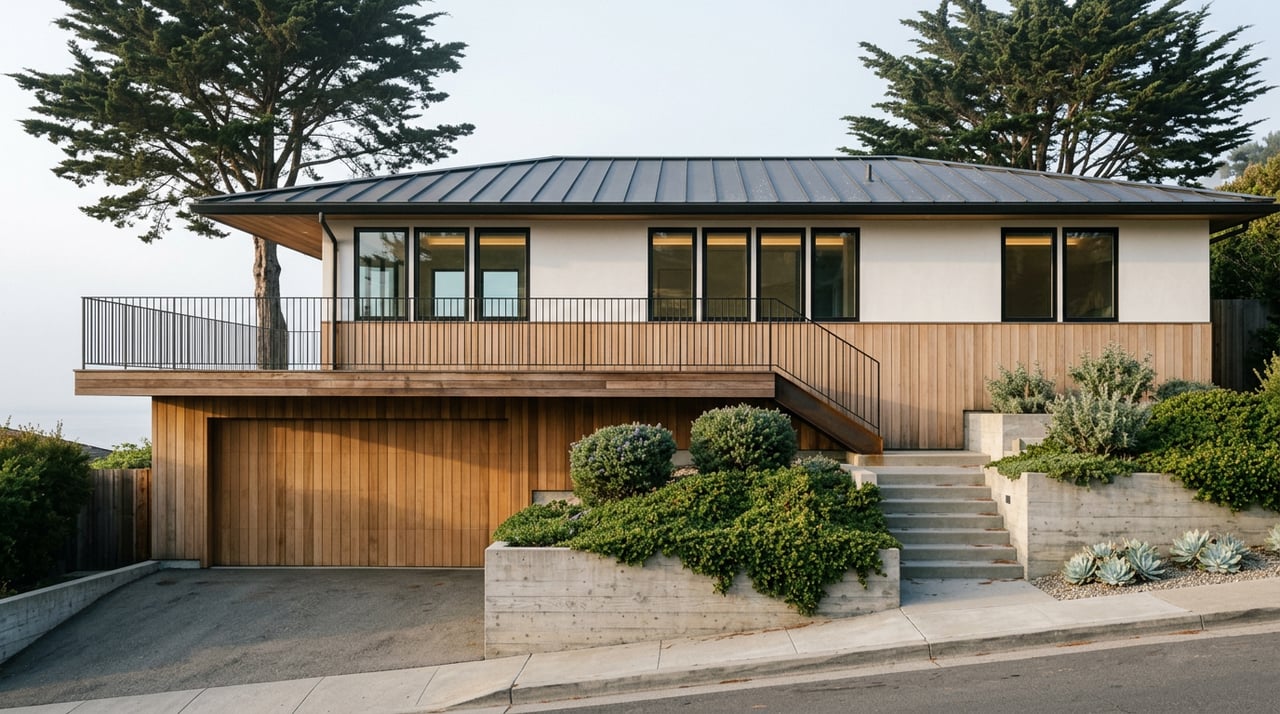
Hillside neighborhoods above the bay often deliver more privacy, larger outdoor spaces and quieter streets. On clear days, many hillside parcels enjoy sunnier, warmer afternoons compared with the shoreline, and some vantage points offer sweeping views across the bay.
You trade a little walkability for calm and space. Daily errands usually mean a short drive. Some hillside parcels sit on steeper terrain, which can mean longer driveways and site-specific engineering for foundations, drainage and retaining solutions. For slopes or areas near mapped landslide deposits, plan for geotechnical diligence during your inspection period.
Microclimate and comfort
Monterey’s coastal marine layer is part of the region’s charm. It also shapes your day-to-day comfort. Near the shoreline, you can expect cooler temperatures and more frequent fog. Upland neighborhoods often clear earlier, with sunnier afternoons and less wind exposure depending on elevation and aspect.
Over longer timeframes, scientific work has documented a decline in summer fog frequency along parts of California’s coast, a trend watched for its ecological importance. While this does not erase the day-to-day marine layer, it provides context for long-term expectations. Explore the peer-reviewed discussion of fog trends.
Maintenance realities you should plan for
Waterfront corrosion and exterior care
Salt spray accelerates wear on metal, wood and painted finishes. Expect more frequent exterior painting and careful attention to hardware, window seals, deck surfaces and any ironwork. HVAC units and outdoor fixtures face higher corrosion risk and benefit from regular inspection. Coastal engineering guidance highlights elevated corrosion exposure at the shoreline compared with inland properties, which is a practical budgeting consideration for bayfront ownership. Review coastal corrosion considerations.
Hillside drainage, grading and stability
Hillside homes require strong drainage design and, in some cases, engineered foundations or retaining structures. If a parcel includes steep slopes, old fills or is near mapped landslide deposits, plan for a geotechnical report and a review of past permits for retaining walls and drainage. Local planning documents emphasize the importance of slope stability analysis in steeper parts of the Peninsula. See regional geotechnical and slope-stability context.
Risk, insurance and resilience
Flood zones and sea-level rise on the waterfront
If you are evaluating a low-lying or shoreline property, start with two checks. First, pull the FEMA Flood Insurance Rate Map to see the property’s zone designation and effective map date. If the home sits in a Special Flood Hazard Area and your mortgage is federally backed, flood insurance is typically required. Use FEMA’s Flood Map Service Center.
Second, visualize longer-term scenarios with NOAA’s Sea Level Rise Viewer. This interactive map helps you see potential inundation footprints under different sea-level trajectories, an important data point if you plan to hold the property for decades. Open NOAA’s Sea Level Rise Viewer.
Wildfire exposure for hillside addresses
Many inland and elevated parcels on the Monterey Peninsula fall within CAL FIRE Fire Hazard Severity Zones. If you are considering a hillside home with dense vegetation, check the current map for the exact address and understand defensible-space requirements and any insurance implications. Check CAL FIRE’s hazard severity maps for Monterey County.
Access and emergency planning
Steep driveways, narrow roads and hillside topography can influence emergency access and evacuation planning. On the waterfront, consider seawall conditions or shoreline armoring if present, plus the location of utilities and potential exposure during storms. These details can affect both insurability and future buyer confidence.
Market dynamics and resale
Waterfront inventory is limited and attracts buyers who specifically want immediate water access and iconic views. That focused demand helps support long-term liquidity. Hillside homes appeal to those prioritizing privacy, outdoor space and sun exposure. Entry-level hillside properties may sell quickly when supply is tight, while highly unique waterfront estates and signature-view homes command patient, premium marketing.
The view itself is a major differentiator. Hedonic studies show that view quality drives value, but the premium is not uniform. Unobstructed, far-reaching vistas can command significantly higher pricing compared with partial views or filtered outlooks. This is why comparing like-for-like view quality is essential when you evaluate comps. Review the water-view premium literature.
When you are ready to discuss live pricing, rely on current MLS data and recent Monterey sales that mirror your property’s location, elevation, view corridor and condition. That approach will give you a reliable picture of value and time to sell.
A simple decision framework
Use these prompts to clarify your best fit:
- Lifestyle first: Do you want daily shoreline walks and instant access to the Coastal Trail, or quiet mornings and larger outdoor living spaces on a hillside lot?
- Climate comfort: Are cooler, foggier days by the water a plus, or do you prefer sunnier afternoons that often come with elevation?
- Property complexity: Would you rather budget for salt-exposure maintenance, or plan for drainage, retaining structures and geotechnical diligence on a slope?
- Risk profile: Are you comfortable with flood mapping and sea-level scenarios, or do you prefer to manage wildfire and slope considerations instead?
- Ongoing costs: Which set of recurring expenses fits your plan better, coastal upkeep or hillside maintenance and vegetation management?
- Hold period: If you plan to own for decades, how do resilience factors influence your long-term enjoyment and resale story?
Your due diligence checklist
For either choice, ground your decision in property-specific checks. Save this list for showings and offer prep.
- Pull the FEMA FIRM panel and confirm the flood-zone designation and effective map date. Search the FEMA Flood Map Service Center.
- Visualize sea-level scenarios for the address under multiple time horizons. Open NOAA’s Sea Level Rise Viewer.
- Ask for any elevation certificate, plus disclosures on shoreline armoring, seawalls or coastal permits if the property is near the water.
- For hillside parcels, order a geotechnical report or slope-stability letter if the site has noticeable grade, scarps or past fill. Review permits for retaining walls and drainage. See regional geotechnical context.
- Check CAL FIRE hazard maps for the address and understand defensible-space and insurance requirements. View Monterey County hazard maps.
- Review HOA maintenance plans and exterior schedules if you are buying a condo or townhome near the water, with attention to salt-related repairs.
- Price the view correctly. Compare sales that match your view corridor and obstruction level. Use view-premium research to explain price-per-square-foot differences. Reference the water-view premium overview.
- Speak with an insurance professional about flood, wind and wildfire coverage options, and with a local civil or geotechnical engineer if you plan significant renovations.
Quick scenarios to pressure-test your choice
You want to park the car for the weekend
Choose waterfront. You will stroll to dinner, jog the Coastal Trail and watch the harbor come alive at sunrise. Expect more foot traffic and plan for exterior care accelerated by salt air.
You want sun, privacy and room to breathe
Choose hillside. Many upland lots enjoy warmer afternoons, quiet streets and bigger outdoor areas. Budget for drainage, potential retaining structures and a geotechnical review.
You want a trophy view with long-term appeal
Either can work. The premium follows view quality. A rare, unobstructed bay panorama can command a higher tier in both settings. Compare comps with similar view scope and elevation before you decide.
Ready to tour like a local
Both choices deliver the Monterey lifestyle in different ways. If you lead with how you want to live, then verify the site-specific risks and costs, your answer usually becomes clear. When you are ready to see the nuances in person, schedule private showings and a data-backed pricing review tailored to your shortlist. For discreet, concierge-level guidance and a strategic plan for purchase or resale, connect with Ryan Sherman Luxury Real Estate.
FAQs
What are the key differences between Monterey waterfront and hillside homes?
- Waterfront offers immediate shoreline access, high walkability and iconic views with more tourist activity and salt-exposure maintenance. Hillside offers privacy, larger lots, sunnier afternoons and slope-focused diligence.
How does Monterey’s fog impact daily life near the water?
- The marine layer brings cooler, foggier conditions at the shoreline, while higher elevations often clear earlier and feel warmer in the afternoon. Long-term research also notes a decline in summer fog frequency along parts of the coast.
What extra maintenance do oceanfront homes in Monterey require?
- Plan for more frequent exterior painting, hardware and window upkeep, deck and metalwork care, and periodic HVAC corrosion checks due to salt spray exposure.
How can I check flood risk and sea-level rise for a waterfront property?
- Look up the address on FEMA’s Flood Map Service Center for the official zone, then use NOAA’s Sea Level Rise Viewer to visualize future scenarios at the parcel level.
What should I investigate before buying a hillside home in Monterey?
- Order a geotechnical report for sloped sites, review retaining wall and drainage permits, check CAL FIRE hazard maps, and confirm access, evacuation routes and vegetation management requirements.
