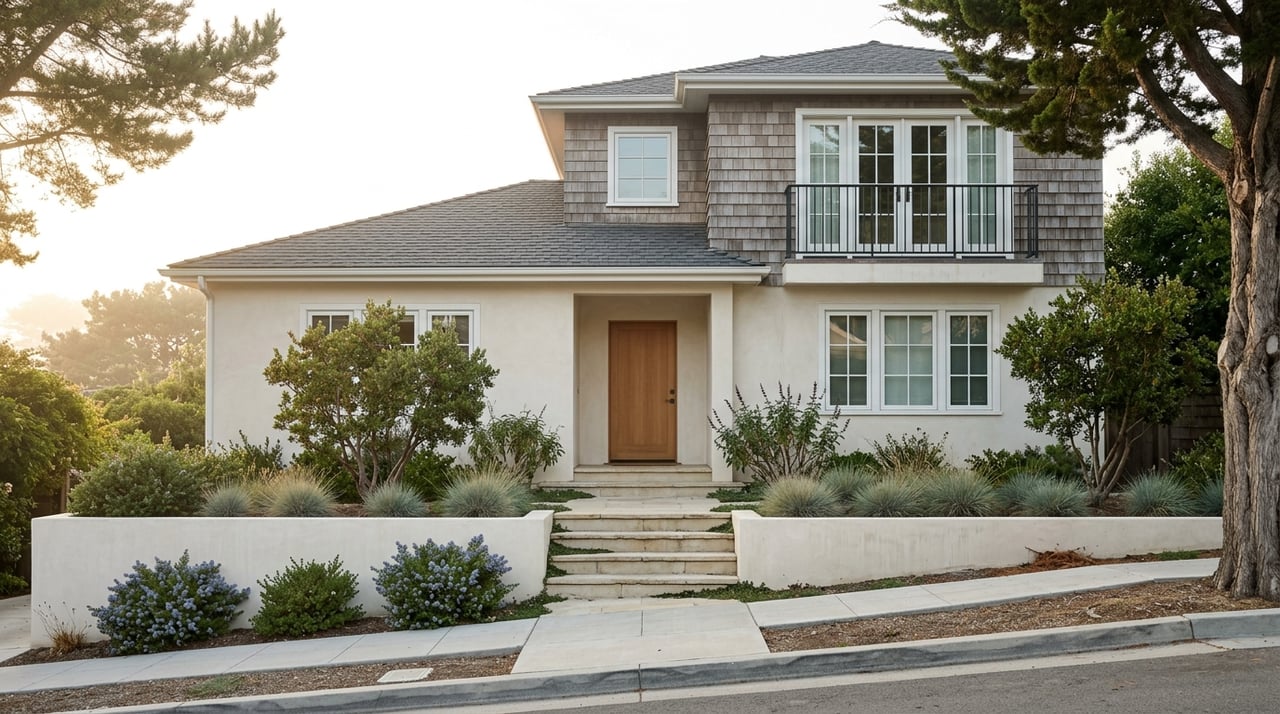
Monterey has a way of changing what “coastal living” means. Instead of one single beach-town experience, you’ll find a compact city where daily life can center on the historic core, the waterfront, the recreation trail, or quieter hillside streets with bay views. If you’re trying to understand which Monterey neighborhoods fit your routine and lifestyle, this guide will help you see how the city’s different areas connect and what everyday living can feel like in each one. Let’s dive in.
Monterey living starts with the map
Monterey’s official neighborhood map shows a city made up of distinct areas, including Old Town, Downtown, New Monterey, Skyline, Monterey Vista, Del Monte Beach, Del Monte Grove, Laguna Grande, Oak Grove, and Casanova/Oak Knoll. What matters most is not only how close a neighborhood sits to the water, but how it relates to downtown, the waterfront corridor, and the hillside edges of the city.
That layered layout is a big part of Monterey’s appeal. The bay borders downtown and supports ocean access tied to diving, surfing, sport fishing, boating, whale watching, and kayaking. In practice, that means everyday life here can include history, scenery, public access, and recreation all within a relatively connected footprint.
Downtown Monterey and Old Town
Historic core with daily convenience
Downtown Monterey functions as the city’s economic hub, with retail, amenities, and mixed-use activity concentrated in the center. City planning also shows an ongoing focus on making downtown easier to navigate through pedestrian, bicycle, transit, and parking strategies.
If you want a neighborhood experience shaped by walkable routines, civic activity, and access to local culture, downtown stands out. You are close to the urban heart of Monterey, where the rhythm of daily life is tied to shops, services, public spaces, and the waterfront nearby.
Old Town adds views and heritage
Old Town sits on the hillside above downtown and spans about 170 acres. Its area plan describes extraordinary views of Downtown Monterey and Monterey Bay, along with a grid street pattern that gives easy access to the core.
This area feels connected to the city’s history in a very direct way. Monterey State Historic Park includes more than 10 historic structures and places within half a mile of Custom House Plaza, along with guided history walks, the Path of History, and the whalebone sidewalk. If your idea of coastal living includes architecture, heritage, and a stronger sense of place, Downtown and Old Town offer one of Monterey’s clearest matches.
What everyday life can feel like here
In this part of Monterey, your routines can lean more toward culture and convenience than purely toward the beach. You may find yourself walking through historic streets, heading downtown for daily errands, or spending time near the civic and cultural center of the city.
It is also worth noting that circulation in downtown can be shaped by one-way and two-way streets, and access can vary by block. Even in the most connected parts of Monterey, the exact feel of daily movement depends on the immediate street pattern and terrain.
Cannery Row and New Monterey
Monterey’s most active waterfront corridor
Cannery Row is Monterey’s most visibly destination-oriented waterfront district. The official conservation district includes a mix of retail, dining, entertainment, accommodations, and residential uses, which is why the area feels energetic throughout much of the day.
This stretch also carries strong identity and public access. The waterfront planning area links Fisherman’s Wharf, the recreation trail, Monterey State Historic Park, Monterey Bay Park, and beach areas into a more continuous public-facing corridor.
New Monterey offers nearby residential pockets
New Monterey sits west of downtown and next to Cannery Row. Historic survey material shows that coastal development extended along Ocean Avenue, while blocks above Lighthouse Avenue were almost exclusively residential.
That contrast matters if you want to live near the action without being in the middle of it at all times. You can have access to restaurants, shopping, attractions, and the waterfront while still being close to more residential streets above the commercial corridor.
Trail access shapes daily routines
The Monterey Bay Aquarium sits at the west end of historic Cannery Row, and the area is closely tied to the Monterey Bay Coastal Recreation Trail. The city describes the trail as an important part of the recreation system and an alternative transportation route running from Seaside to Pacific Grove.
For everyday coastal living, that is a major advantage. It creates an easy link between waterfront activity, exercise, scenic walks or rides, and practical car-light movement through the central coast-facing areas of the city.
What to expect here
If you are drawn to a lively setting with quick access to Monterey’s best-known waterfront destinations, Cannery Row and the New Monterey coastal edge deserve a close look. This part of town tends to feel the most active, with a strong visitor presence and a built-in sense of movement.
At the same time, the experience is not identical from one block to the next. Streets above the waterfront can feel more residential, while the core corridor is more active and destination-driven.
Skyline and hillside Monterey
Quieter, greener, and more open
Skyline shows another side of Monterey living. Its land use plan emphasizes preserving greenbelts and forest resources on the ridge, with open-space areas extending through the planning area and allowing only limited roads, trails, and incidental structures.
That planning framework gives Skyline a very different feel from Downtown or Cannery Row. Instead of a waterfront destination environment, you get a setting that reads as greener, quieter, and more removed from the busiest visitor corridors.
Views matter in the upper areas
Monterey’s hillside neighborhoods help explain why the city feels layered rather than flat. Skyline and other upper areas sit farther from the bay, but they can offer a more view-oriented and open feel.
Old Town belongs partly in this hillside conversation too, though it stays much closer to the historic core. A simple way to think about the difference is this: Old Town offers a hill neighborhood tied closely to downtown, while Skyline leans more toward ridge living and open-space character.
Getting around in everyday life
Driving is not always required
One of Monterey’s strengths is that central daily life does not always depend on getting in the car for every trip. The Monterey Transit Plaza serves as the main downtown transit hub, and the free Monterey Trolley connects downtown Monterey, Fisherman’s Wharf, Cannery Row, and the Monterey Bay Aquarium during its seasonal operation.
City transportation policy also emphasizes making alternative transportation attractive enough that driving is optional, not required. That supports the idea that some Monterey neighborhoods can deliver a more flexible coastal routine than buyers expect.
Walkability depends on the block
Monterey is not a one-note walkability story. The city’s multimodal plan says sidewalks exist throughout most of the city, but some neighborhoods have gaps.
That means the central neighborhoods often feel more convenient for day-to-day coastal living, but terrain, parking, and street layout still shape the experience in meaningful ways. If you are comparing areas, it helps to think in terms of specific blocks and routes, not just neighborhood names.
How to choose the right Monterey neighborhood
The best Monterey neighborhood for you depends on what “everyday coastal living” means in your real routine. If you want history, walkable culture, and quick access to downtown, focus on Downtown and Old Town. If you want energy, attractions, and strong waterfront access, look closely at Cannery Row and New Monterey.
If your priority is a quieter setting with a greener backdrop and a more elevated feel, Skyline and the upper hillside areas may be the better fit. Monterey works so well because these lifestyles sit close together, connected by the bay, trail system, historic center, and transit options.
When I help buyers explore Monterey, the conversation usually comes back to rhythm. Some people want to step into the waterfront and cultural core every day, while others want that access nearby but prefer a more private, tucked-away setting at home. If you’re weighing where you fit best in Monterey, Ryan Sherman Luxury Real Estate can help you narrow the options and schedule a private consultation.
FAQs
Which Monterey neighborhoods feel the most historic?
- Downtown Monterey and Old Town are the strongest fit for a historic feel, supported by the city’s historic street pattern, Custom House Plaza, and Monterey State Historic Park.
Which Monterey areas are closest to the waterfront?
- Cannery Row, the New Monterey coastal edge, and the Harbor and Wharf corridor are the areas most closely tied to Monterey’s waterfront access and attractions.
Which Monterey neighborhoods feel quieter?
- Skyline and the higher hillside neighborhoods generally feel quieter and more open because ridge greenbelts and forest-resource preservation are central planning priorities there.
How easy is it to get around Monterey without driving?
- In Monterey’s core, it can be fairly manageable thanks to the downtown transit hub, seasonal free trolley, recreation trail, and pedestrian-oriented planning, though street layout, terrain, and parking still affect daily convenience.
Is Monterey walkable for everyday coastal living?
- Parts of Monterey are quite practical for walking and car-light routines, especially near downtown and the waterfront, but walkability varies by neighborhood and even by block because some areas have sidewalk gaps and different street patterns.
