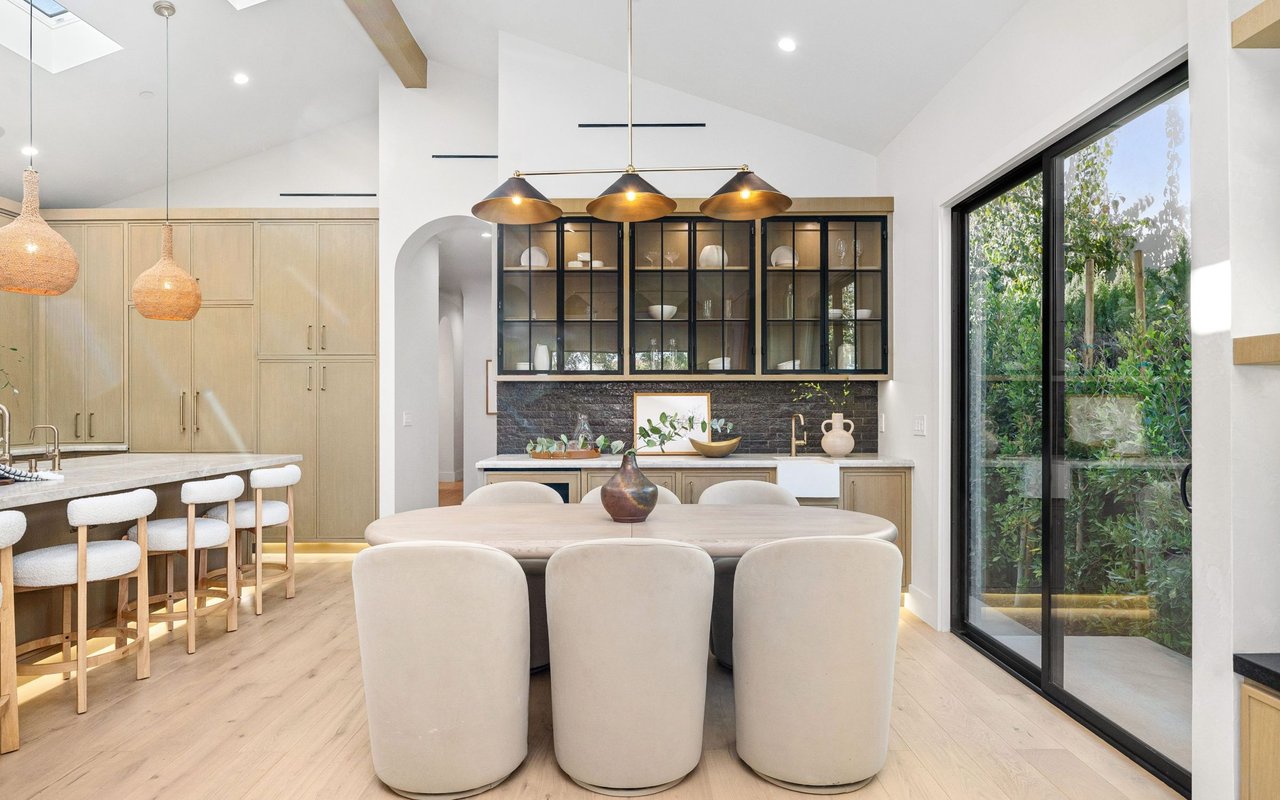
You know that feeling when you walk into a house, and your heart skips a beat? The kitchen gleams, the light pours in just right, and you’re already picturing yourself sipping coffee on the back patio. I’ve been there—many times with clients. But here’s the thing: sometimes that house, as dreamy as it looks, comes with a not-so-dreamy price tag.
And if you’re not careful, you can end up paying way more than the home is really worth. That’s why I always tell buyers—learning how to spot an overpriced listing is just as important as learning how to spot “the one.”
Let’s walk through the signs together, almost like I’m giving you the inside scoop during a Sunday open house tour.
Why Overpriced Homes Are a Trap
Buying a home is emotional (and honestly, it should be). But overpaying for one? That can follow you around long after you’ve unpacked the moving boxes.
Here’s why this matters so much:
-
Monthly strain: Higher price = bigger mortgage, taxes, insurance.
-
Resale regrets: Fast-forward a few years. If the market hasn’t caught up to the inflated price you paid, you might struggle to sell without taking a loss.
-
Investment value: A fairly priced home can appreciate nicely. An overpriced one? It might just sit there while the neighborhood grows around it.
The good news: overpriced homes leave clues.
1. Comps Don’t Lie
Think of comparables (“comps”) as the cheat sheet of real estate. When I pull comps, I’m looking at what similar homes nearby have actually sold for—because that’s what the market is willing to pay, not what a seller wishes they could get.
Here’s the trick: look for homes in the same neighborhood, with similar size and condition. If the one you love is way higher, it’s worth asking why. Sometimes it’s justified (new roof, designer kitchen). Sometimes…it’s just wishful thinking. And remember, it's important to look at what homes are actually selling for, and not what other homes are listed for.
2. Price Per Square Foot: A Quick Reality Check
One of my favorite back-of-the-napkin checks is price per square foot. Divide the asking price by the square footage and see how it stacks up against the area average.
If the number is sky-high compared to neighbors, you may be looking at an overpriced listing. Just remember—unique features (killer ocean views, big lot, or a pool) can bump the number up a bit, sometimes by a lot. And in complicated markets like the Monterey Peninsula, sometimes two blocks over can mean a HUGE swing in price.
3. Days on Market Tell a Story
If a house has been sitting on the market for months while others are flying off in days? That’s usually a sign the price is scaring people off.
Here’s a tip: check if the price has already been reduced. Repeated price cuts often mean the seller overshot at the start. And here’s the hidden upside—if you’re patient, that could open the door for you to negotiate a better deal. In addition to days on market for the home in question, look at days on market for what has recently sold. It can also be valuable to look at expired listings in the area to see what price point homes failed to sell for.
4. Seller Motivation is Everything
This one’s a little behind-the-scenes, but I’ll let you in on it: not all sellers are created equal. Some have to move (job relocation, financial reasons, life changes). Those sellers are usually more realistic and open to negotiating.
Others? They’re testing the waters. Maybe they don’t “need” to sell, so they price high to see if anyone bites. That’s where overpriced listings are born.
When I’m representing buyers, part of my job is to feel out the seller’s situation—because it can make a huge difference in how aggressive we should be with an offer. And sometimes you can get a better price, by offering a really clean deal with limited contingencies, quick close, or sometimes by offering a long closing to give sellers time if that is what's required. That is why working with a professional that help determine seller motivations can make all the difference.
5. Condition Matters (More Than Staging)
Don’t let shiny staging fool you. A home with fresh paint and pretty furniture might look like a gem, but if the bones are dated—roof, plumbing, electrical—that price tag better reflect reality.
On the flip side, if the seller poured real money into quality renovations (not just lipstick), a higher price can sometimes make sense. The key is making sure the upgrades are worth what they’re asking. And making sure you are comfortable with the current condition of the property.
6. The Inspection Factor: The Real Value Check
Here’s something that trips up even the savviest buyers: not every “overpriced” home is truly a bad deal, and not every “well-priced” home is a good one.
That’s where inspections come in.
-
A home that looks like it belongs in a glossy magazine but hides foundation cracks, old plumbing, or a failing roof? That’s not a bargain — it’s a money pit waiting for you.
-
On the flip side, a property that seems a little high on paper but passes inspections with flying colors could actually be the better value in the long run. No hidden six-figure repairs means you’re buying peace of mind.
This is exactly why I always recommend a thorough inspection and why it pays to have a professional in your corner. My job is not just to help you fall in love with the right house — it’s to make sure that love doesn’t turn into heartbreak after closing. And remember, not all inspections are created equal. Some inspectors are incredibly thorough, while others skim the surface without diving too deep. It is just as important to understand what the inpsector covered, as it is to understand what they didn't mention.
7. Watch the Appraisal Gap
Even if you agree to a seller’s high price, your lender might not. The bank sends an appraiser to confirm the home’s value. If the appraisal comes in lower, you’ll have to renegotiate—or bring extra cash. That could be a red flag the home was overpriced to begin with. If you don't appraisal contingency in your contract then you might not have an option to back out based on a low appraisal. Make sure you understand the contract and what could happen in each scenario.
8. Pay Attention to Market Trends
Sometimes it’s not just about the house—it’s about the timing. If prices in the area are trending downward or inventory is building up, that “premium” asking price may not hold water. Always zoom out to see the bigger picture.
Final Thought
At the end of the day, finding the right home is a balance of heart and head. Fall in love with the home—but bring data to the offer table.
If something feels off about the price, trust that instinct. That’s where I come in—to pull the numbers, spot the red flags, connect you with trusted inspectors, and help you avoid buyer’s remorse.
And remember: sometimes the best move is walking away, because the perfect home is out there—and it shouldn’t come with an inflated price tag or scary surprises in the inspection report.
✨ If you’re starting your home search here on the Monterey Peninsula—or even just beginning to dream about it—I’d love to connect. Whether you’re looking in Carmel, Pebble Beach, Pacific Grove, Monterey, or Carmel Valley, I can help you navigate the market with confidence, spot the true value in a home, and make the buying process feel seamless. Reach out anytime—I’d be honored to be your trusted guide.
Buyer’s Quick Checklist
Use this checklist to keep your head straight when your heart’s already decorating the living room:
✅ Compare recent comps (similar size, style, and condition).
✅ Calculate price per square foot vs. neighborhood averages.
✅ Check days on market and look for price reductions.
✅ Ask about seller motivation (testing the market vs. ready to move).
✅ Look past staging and evaluate true condition.
✅ Don’t skip the inspection report — it’s your reality check.
✅ Prepare for potential appraisal gaps.
✅ Review market trends (rising, stabilizing, or cooling?).
✅ Lean on your realtor’s expertise — you don’t have to do this alone.
