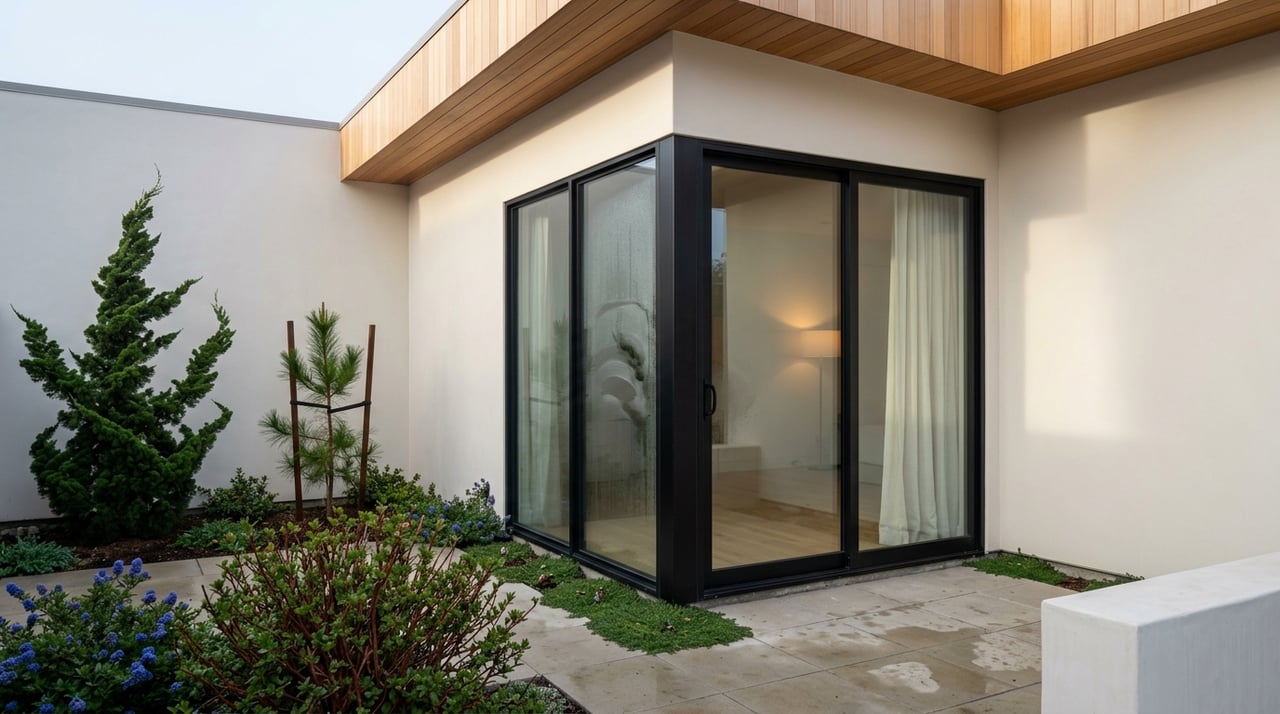
If you have ever driven from the Monterey coast into Carmel Valley and felt like you changed seasons in under 20 minutes, you have already experienced one of the most important parts of a Peninsula home search. Monterey’s weather is mild overall, but its microclimates can change how a home feels, how a yard performs, and how much upkeep a property may need. If you are buying in Monterey, understanding those small climate shifts can help you choose a home that fits your daily life, not just your wish list. Let’s dive in.
Why Monterey microclimates matter
Monterey’s baseline climate is shaped by the ocean. NOAA monthly normals show an annual mean temperature of 55.9°F and annual precipitation of 17.11 inches, with summer highs that stay relatively mild at 65.8°F in July and 66.9°F in August. That sounds simple on paper, but the lived experience can vary quickly depending on how close you are to the water, how exposed the lot is, and whether the property sits in a valley or on higher ground.
Fog is a major reason for that difference. NOAA explains that coastal fog forms when warm, moist air moves over colder water, and Monterey Bay’s prevailing northwest winds help carry that marine air inland. Local park sources also note that the region gets cool, foggy summers, with fog occurring on average 135 days per year, mostly from July through September.
For you as a buyer, this means one neighborhood may feel cool, gray, and breezy in the morning while another is sunny and warm by early afternoon. In Monterey, that is not a small detail. It can shape your comfort, your outdoor use, and even your long-term maintenance costs.
Coastal Monterey feels cooler and foggier
The immediate coast carries the strongest marine influence. Areas around Monterey, Pacific Grove, Asilomar, Pebble Beach, and Point Lobos tend to be the foggiest and most breezy parts of the Peninsula based on the combined pattern described by local park and coastal sources.
If you are drawn to the coast, this can be exactly the appeal. You may get soft morning light, cooler afternoons, and a classic Monterey Bay atmosphere that feels connected to the ocean almost all day. Breezes also tend to keep maximum temperatures down, and evening fog can hold cool air in place.
That same setting can affect how you use a property. A deck with an ocean-facing exposure may feel very different from a more sheltered courtyard just a few streets inland. If outdoor entertaining, gardening, or sun exposure matter to you, the exact siting of the home becomes especially important.
What buyers often notice near the coast
- Morning fog may linger longer
- Afternoon temperatures often feel cooler
- Wind exposure can be stronger on open lots
- Yards may receive less direct sun
- Moisture and salt air may influence upkeep over time
Inland areas usually bring more sun
Carmel Valley is one of the clearest inland contrasts on the Monterey Peninsula. UC Master Gardeners of Monterey describe a local gradient that moves from the coastal fog belt of Pacific Grove to the warmer areas of Carmel Valley, with hotter inland areas beyond. Local park material also notes that inland places experience less fog than the coast.
For many buyers, that translates to sunnier afternoons, warmer day-to-day living, and a yard that gets more reliable light. If you love outdoor dining, gardening, or spending long afternoons on a patio, inland settings may feel more consistent.
This does not mean inland is always better. It means the fit is more personal. Some buyers want the cool marine layer and moody coastal feel, while others prefer the brighter and warmer rhythm that shows up as you move away from the shoreline.
Hillsides and ridgelines can change the experience
Distance from the coast is only part of the story. Topography matters too. Local coastal and Monterey Bay sources point to persistent northwesterly winds and onshore breezes, which means exposed hilltops, ridgelines, and canyon mouths often feel breezier and dry out faster than sheltered lower areas.
In practical terms, two homes in the same general area can live very differently. A protected lot may hold warmth and feel calm, while a nearby exposed site may get more wind and faster drying conditions. When you tour homes in Monterey, elevation and orientation deserve as much attention as the address itself.
How microclimates affect daily comfort
The broad tradeoff is straightforward. Coastal homes often feel cooler, grayer, and more changeable, while inland homes tend to get more warmth and sun. Monterey’s official climate normals show a relatively narrow overall range, but day-to-day comfort can still shift quickly by block and by time of day.
That is why a home that feels perfect at 2 p.m. may feel very different at 9 a.m. under a marine layer. If you work from home, spend a lot of time outdoors, or care about natural light inside, those changes are worth testing before you buy.
Questions to ask yourself about comfort
- Do you enjoy cool, foggy mornings or do you prefer early sun?
- Will you use outdoor spaces most in the morning, afternoon, or evening?
- Do you want a home that feels closely tied to the coast year-round?
- Are warmer afternoons more important to your lifestyle?
Landscaping can vary from one area to another
Microclimates do not just affect how a home feels. They also shape how a property looks and functions outside. UC Master Gardeners of Monterey recommend plant selection based on local microclimates, including the coastal fog belt, warmer valley sites, and hotter inland areas.
They also note that California native plants are often a strong choice because, once established, they typically need less water, fertilizer, and maintenance. That guidance matters in Monterey, where one lot may be cooler and fog-influenced while another gets much more direct sun.
California State Parks adds helpful context here. Coast redwoods depend on winter rain and summer coastal fog, while other coastal plants are adapted to wind, salt spray, and shifting sands. In other words, a planting plan that works beautifully near the coast may not be the best fit farther inland, and vice versa.
Upkeep can differ by microclimate
Microclimate also has a practical side: maintenance. Coastal settings tend to bring more moisture, salt exposure, and wind-driven wear. Inland settings usually trade some of that for greater sun exposure and more irrigation demand.
For you, that may influence the kinds of features worth evaluating during a home search. Near the coast, you may pay more attention to wind exposure, drainage, and how exterior materials have held up over time. In sunnier inland settings, you may focus more on shade, watering strategy, and how outdoor areas perform during warmer afternoons.
This is one reason a local, property-specific approach matters so much on the Monterey Peninsula. A beautiful home can be a great fit, but the right fit often depends on how that specific site interacts with the climate around it.
How to tour homes with microclimates in mind
One of the best ways to use Monterey’s microclimate patterns is to make your home tours more intentional. General neighborhood preferences are helpful, but site-specific conditions often tell the real story.
A practical shorthand is this: the immediate coast around Monterey, Pacific Grove, Asilomar, Pebble Beach, and Point Lobos is typically the most marine-influenced, while Carmel Valley shifts more quickly toward sun and warmth. That pattern is a synthesis of local official sources, not a strict formal classification, but it is a useful starting point.
Smart ways to evaluate a Monterey property
- Tour the home at more than one time of day
- Notice how long morning fog lingers
- Check how much direct sun the yard receives
- Pay attention to wind on decks, patios, and exposed entries
- Look at whether the lot feels sheltered or open
- Consider how the property may function in different seasons
You do not need to memorize weather data to buy wisely in Monterey. You just need to understand the pattern. Coast, valley, and ridge can feel meaningfully different within a short drive, and those differences can shape comfort, landscaping choices, and the way you live in the home.
If you are searching on the Monterey Peninsula, I can help you read beyond the listing photos and evaluate how a property will actually live day to day. For tailored guidance on Monterey, Carmel, Pebble Beach, or Carmel Valley homes, Ryan Sherman Luxury Real Estate is here to help.
FAQs
How do Monterey microclimates affect a home search?
- Monterey microclimates can change how much fog, sun, wind, and warmth a property gets, which can affect comfort, yard use, landscaping, and maintenance.
Which Monterey areas tend to feel more coastal?
- Areas around Monterey, Pacific Grove, Asilomar, Pebble Beach, and Point Lobos tend to be more foggy, breezy, and marine-influenced.
How does Carmel Valley weather differ from coastal Monterey?
- Carmel Valley generally gets more sun, warmer afternoons, and less persistent fog than coastal parts of the Monterey Peninsula.
Why should you tour Monterey homes at different times of day?
- A property can feel very different in morning fog than it does later in the day after the marine layer lifts, so multiple visits can give you a more accurate sense of daily living.
Do Monterey microclimates affect landscaping choices?
- Yes. Local guidance shows that plant selection should match the site, since coastal fog belt properties and warmer inland lots often support different planting strategies.
Do Monterey microclimates affect home maintenance?
- Yes. Coastal homes may experience more moisture, salt exposure, and wind-driven wear, while inland homes may need more focus on sun exposure, shade, and irrigation planning.
