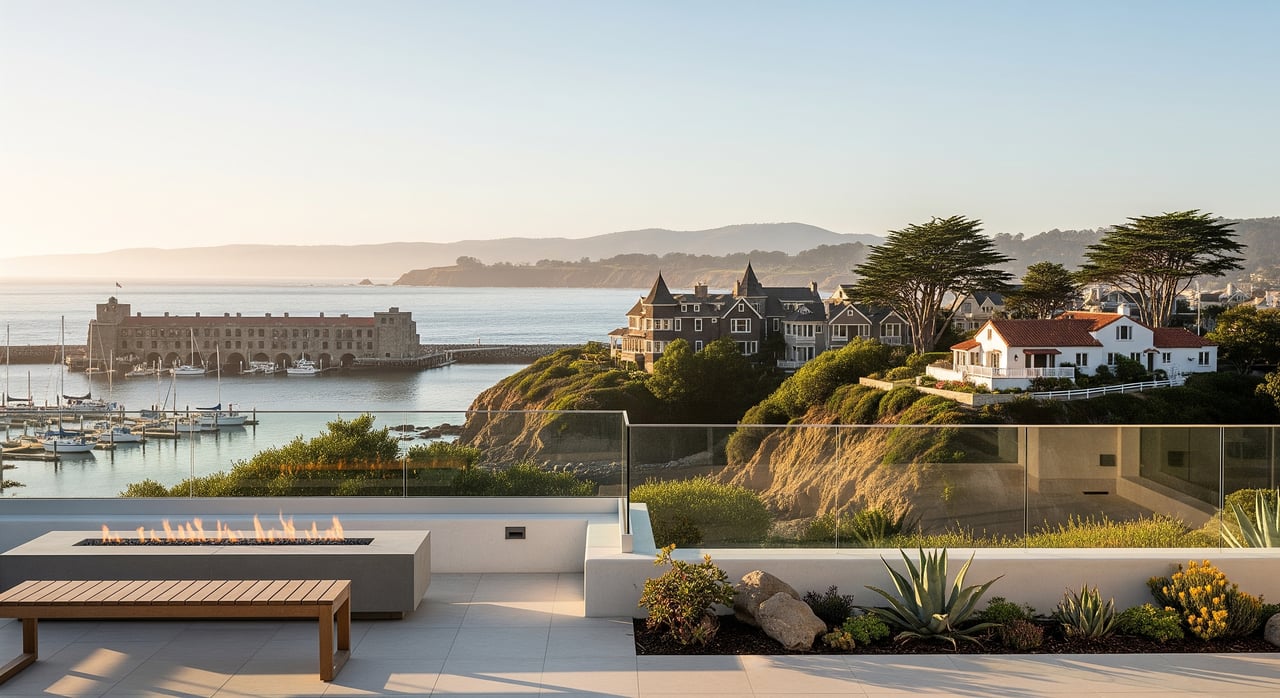
Trying to decide between Carmel-by-the-Sea, Pacific Grove, and Monterey? You’re not alone. Each town feels different, offers a unique mix of homes, and follows its own set of rules that can affect how you live, remodel, rent, and insure your property. In this guide, you’ll learn how these three markets compare on lifestyle, housing types, regulations, and coastal risk so you can focus on what matters most to you. Let’s dive in.
Quick take: How to choose
Start with five filters to narrow your search:
- Budget and price per square foot
- Preferred housing type and neighborhood vibe
- Local regulations and permitting tolerance
- Lifestyle priorities like walkability and access to nature
- Coastal risks, insurance, and long-term upkeep
Use these as your baseline, then layer on the details below.
Carmel-by-the-Sea: Who it suits
Carmel is a boutique village with storybook architecture, narrow tree-lined streets, and an art-forward core. You walk to galleries, fine dining, and Carmel Beach, and you feel the town’s design standards in every block. If you value charm, prestige, and a highly walkable village, this may be your sweet spot.
Housing here is predominantly single-family cottages and custom homes with limited new construction. Inventory is historically tight, which keeps competition strong for desirable properties. Condos exist but are scarce, and larger lots are uncommon within the village core.
What to consider:
- Design review and permitting are strict and can extend timelines for remodels or new builds.
- Tourism brings energy to the core, and parking is limited.
- Short-term rental rules evolve and are tightly managed. Confirm current allowances and requirements before counting on rental income.
Pacific Grove: Who it suits
Pacific Grove offers a small-town, coastal-residential feel with a slower pace. You’ll find period homes and Victorian cottages alongside modest newer builds. Nature is a daily backdrop, from tide pools to the Monarch Grove and shoreline trails.
If you want a balance of neighborhood character and coastal access, Pacific Grove fits well. It’s often perceived as more affordable than Carmel yet still premium compared to many inland markets. The downtown is compact and walkable, with local cafes, shops, and parks.
What to consider:
- Inventory can be limited but generally turns over more than Carmel.
- You’ll find more opportunities for single-family homes in approachable price bands relative to Carmel.
- Environmental protections near habitat areas may constrain certain changes to nearby properties.
Monterey: Who it suits
Monterey is the largest market of the three with the broadest housing mix. You’ll see everything from entry-level and downsizer-friendly condos to single-family homes and luxury waterfront addresses. This variety creates more options at different price points.
Lifestyle here blends urban and coastal. You have cultural attractions, dining corridors like Cannery Row, larger retail and medical services, and proximity to major employers. If you need commuting flexibility or want more inventory to choose from, Monterey is a strong match.
What to consider:
- Condos and multi-family options are more prevalent, often with HOAs and specific rules.
- You may find faster turnover and a wider buyer pool at resale due to varied price points.
- Waterfront and low-lying areas carry typical coastal risk considerations.
Market themes to keep in mind
- Pricing: Historically, Carmel holds the highest median sale prices, Pacific Grove sits in the middle, and Monterey offers the widest variety with more entry and mid-level options. Always confirm current stats before making offers.
- Inventory: Carmel tends to have the leanest supply, Pacific Grove moderate, and Monterey the most variety and movement.
- Property types: Carmel and Pacific Grove skew toward single-family homes. Monterey stands out for condos and multi-family.
Regulations that shape your plan
Each city has its own planning department, zoning rules, and coastal oversight where applicable. If your strategy includes remodeling, additions, or new construction, factor in the following:
- Coastal development permits may be required within the coastal zone and can add time and conditions.
- Design review is a defining feature in Carmel and exists in Pacific Grove and Monterey, though typically less stringent than Carmel.
- Short-term rentals vary by city and can include permit caps, taxes, and enforcement. Verify the current municipal code before you buy if rental income is part of your plan.
- HOAs and CC&Rs are common in condo communities, especially in Monterey. Review fees, pet policies, and rental restrictions early.
- Property taxes follow California’s framework, but local assessments can vary by parcel. Check estimated totals for any home you’re considering.
Coastal risk, insurance, and upkeep
Living near the ocean brings beauty and specific risk management:
- Earthquake risk is a statewide reality, and earthquake insurance is commonly explored separately from standard policies.
- Coastal hazards like erosion, storm surge, sea-level rise, and tsunamis can affect certain waterfront and low-lying neighborhoods. Flood insurance may be required depending on zone.
- Insurance availability and premiums can be higher for coastal properties. Obtain quotes early in your discovery process.
- Salt air accelerates exterior wear. Budget for more frequent roof, paint, and metal maintenance.
Schools, commute, and daily essentials
- Schools: Local public schools serve each community, and district boundaries differ across Carmel, Pacific Grove, and Monterey. If schools matter to you, confirm zoning and performance sources directly.
- Commute and transit: Monterey often offers the shortest drives to major employers and broader transit options. The Peninsula connects via local transit routes between cities.
- Healthcare and services: You’ll find the largest cluster of hospitals and medical services in and around Monterey, with daily conveniences close by.
Resale and investment lens
- Buyer pools: Carmel serves a smaller, high-end pool. Pacific Grove has steady demand for single-family homes. Monterey reaches the broadest pool due to variety and price bands.
- Rental strategy: Short-term rental viability depends on city rules and enforcement. Long-term rental demand exists given local employers.
- Carry costs: Plan for maintenance in the marine environment and understand HOA fees if you buy a condo.
- Appreciation drivers: Scarcity, ocean views, walkability, and the strength of local employers can support values over time. Insurance and climate risks are important counterweights to consider.
Quick comparator: Best fit by priority
- Maximum village walkability and fine dining: Carmel’s core
- Broadest price variety and condo options: Monterey
- Classic cottage neighborhoods and community feel: Pacific Grove
- Least strict design review experience: Typically Monterey
- Closest to major employers and services: Monterey
- Brand prestige and boutique village lifestyle: Carmel
Your 10-minute buyer checklist
Use this as a quick filter before you tour:
- Define budget ranges and desired price per square foot.
- Choose a primary property type: condo, cottage, or larger-lot home.
- Confirm your renovation appetite and expected permitting path.
- If rentals matter, verify current short-term and long-term rules for the address.
- Pull preliminary insurance quotes for homeowners, flood, and earthquake as needed.
- Review hazard maps for flood and coastal exposure at the parcel level.
- If considering a condo, examine HOA fees, reserves, rental limits, and pet policies.
- Verify school zoning and transportation needs.
- Estimate total property taxes and any special assessments for the parcel.
- Align your timeline with typical inventory and turnover in your target city.
When you are ready to compare actual listings, a local, hands-on approach will help you weigh tradeoffs block by block and project by project.
Looking for a tailored plan that fits your lifestyle, budget, and timeline on the Monterey Peninsula? Let’s map your options and preview the right homes together. Schedule a private consultation with Ryan Sherman Luxury Real Estate.
FAQs
What makes Carmel-by-the-Sea unique for buyers?
- Carmel offers a boutique, walkable village with strict design standards, predominantly single-family cottages, limited inventory, and strong lifestyle appeal near galleries, dining, and the beach.
Is Monterey generally the most affordable of the three?
- Typically, Monterey provides the widest price variety with more entry and mid-level options, followed by Pacific Grove, while Carmel tends to command the highest prices.
Can I run a short-term rental in these cities?
- Rules vary by city and are updated periodically. Confirm current ordinances, permit caps, taxes, and enforcement with the relevant municipality before relying on rental income.
Which town is best if I want a condo?
- Monterey has the strongest condo inventory across different price bands, while Carmel and Pacific Grove lean more toward single-family homes.
How do coastal hazards affect insurability on the Peninsula?
- Waterfront and low-lying properties may face higher premiums and coverage limits, and some homes require flood insurance. Get quotes early and review hazard maps for your target address.
Will permitting take longer in Carmel than in the others?
- Often yes. Carmel’s design review is notably strict compared to Pacific Grove and Monterey, so plan for additional time if you intend to remodel or build.
What should families know about schools across these towns?
- Each city has defined district boundaries and school options. If schools are important, verify zoning and review reputable performance sources for the campuses that serve your specific address.
